Choosing a school in the UAE is, first of all, a family decision — but once the place is secured, it quickly becomes a financial one too. Tuition is only the starting point. Re-enrolment, books, uniforms, transport, trips and activities can all land on the family budget at different times of the year.
The range is enormous. Current KHDA fee sheets for the 2026–27 academic year show just how different two Dubai school bills can be: Crescent English School Grade 9 has total fees of AED 4,523, while GEMS Wellington International School Year 12 tuition and total fees are AED 103,399. Required supplies and optional services can add to tuition; check what the quoted total already includes.
Depending on the school, parents may pay annually or by term using a bank transfer, cheque, direct debit, an online payment gateway or a card. Paying by credit card does not make the school cheaper by itself. What it can do is turn a bill you already have to pay into cashback or points, or let you spread the cost through an instalment plan.
It is the same idea as paying rent by credit card in the UAE: route a large, unavoidable expense through the most rewarding channel available, without paying more in fees than you get back. A higher cashback rate can still lose once the cap kicks in, and an instalment plan marketed as interest-free can still carry charges.
The practical order is simple: secure any school discount first, check what the payment channel charges, confirm how the transaction will be coded, and only then compare rewards with instalments.
You have four realistic card routes in the UAE: pay the school directly, use Skiply, use Zenda, or convert the transaction through your bank. Here is when each route makes sense — and where the apparent saving can disappear.
How to pay school fees by credit card
1. Pay the school directly
Best for: keeping the payment simple when the school accepts cards without wiping out its own discounts.
Start here. Direct payment has the fewest moving parts, but only if the school or gateway does not add a fee that cancels your reward. Before paying, ask:
- whether the school or its gateway adds a card convenience fee;
- whether an annual-payment or sibling discount can be combined with card payment;
- how the transaction normally appears on a card statement; and
- whether the school can split the invoice across terms or billing cycles.
Do not treat merchant coding as a technical footnote. A card that advertises education cashback normally relies on the transaction posting under an eligible education MCC. A school terminal, an online gateway and a payment app can each produce different coding. Confirm the expected treatment with the card issuer before committing the full bill.
2. Pay through Skiply
Best for: paying a connected school by card, particularly when an eligible RAKBANK instalment offer improves the total cost.
The distinction that matters is easy to miss. Skiply is powered by RAKBANK and lets parents at connected schools pay with cards issued by different banks. That broad acceptance applies to the payment itself — it does not make every card eligible for RAKBANK's instalment promotion.
For eligible conventional RAKBANK credit cards, Skiply transactions can be converted into 3, 6 or 12-month plans with a 0% processing fee through 31 December 2026. RAKBANK says the conversion must be requested before the statement date and within the offer period. Check the current Skiply terms for the exact card.
3. Pay through Zenda
Best for: convenient digital payment or scheduled debits when your school is already connected.
Zenda supports card, Apple Pay and Google Pay payments for parents at participating schools. It is a members-only service, so the school must already be connected.
The important question is what “payment plan” means for your school. Zenda lets parents schedule payments by auto debit, but that schedule is not automatically the same as a bank credit-card instalment plan. Check the plan shown for your school, the payment method being charged, and any school-specific terms before relying on it for financing.
4. Convert the transaction through your bank
Best for: spreading a payment that has already posted, once the bank has shown you the full cost in dirhams.
Some UAE issuers let cardholders convert a posted education transaction into an Easy Payment Plan or an Islamic equivalent. The label is not the price: a plan advertised at 0% interest or profit can still carry a processing, administration, cancellation or early-settlement fee.
Ask the bank for the total dirham cost, the conversion deadline and the monthly instalment before accepting. Then ask what happens to cashback or points. Some issuers exclude instalment transactions or reverse rewards after conversion, and the full purchase can continue to occupy the credit limit even while it is repaid monthly.
Credit cards to compare for education payments
The rates apply to eligible payments; the bank makes the final decision on transaction coding and rewards. Check the current ADIB terms, Liv key facts and Wio key facts for eligibility and reward conditions.
| Card | Education earning potential | Cashback cap | Card cost | Minimum salary |
|---|---|---|---|---|
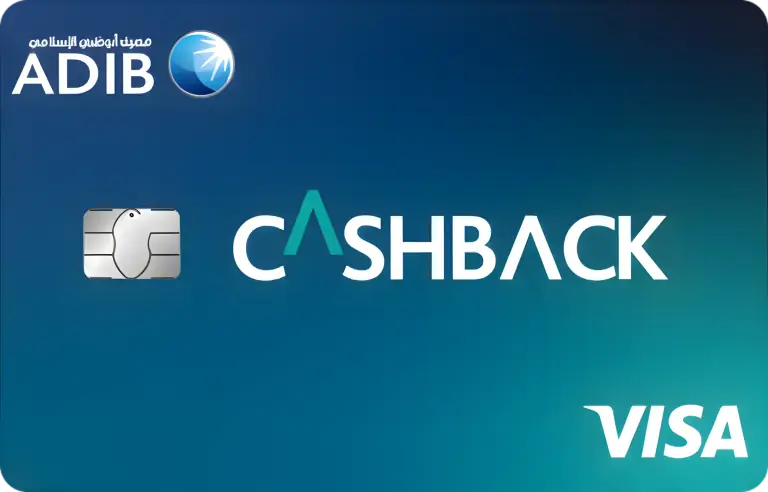
4% on eligible school and education spend | AED 300 per month for education; AED 1,000 overall | AED 103.95 annual fee | AED 5,000 | |
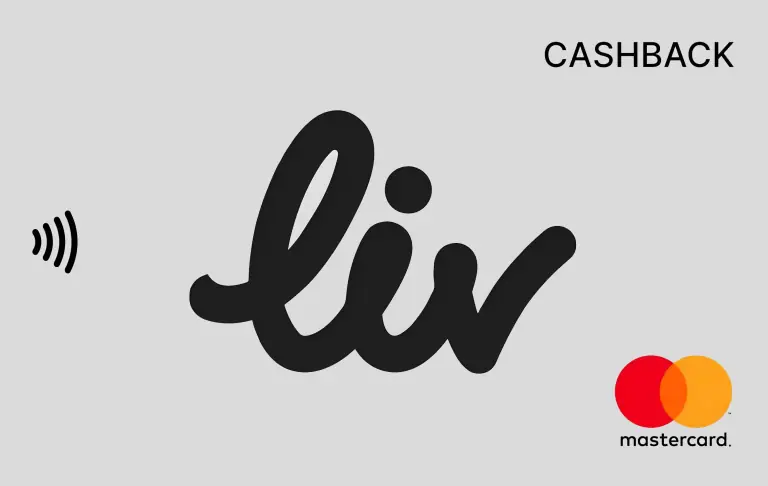
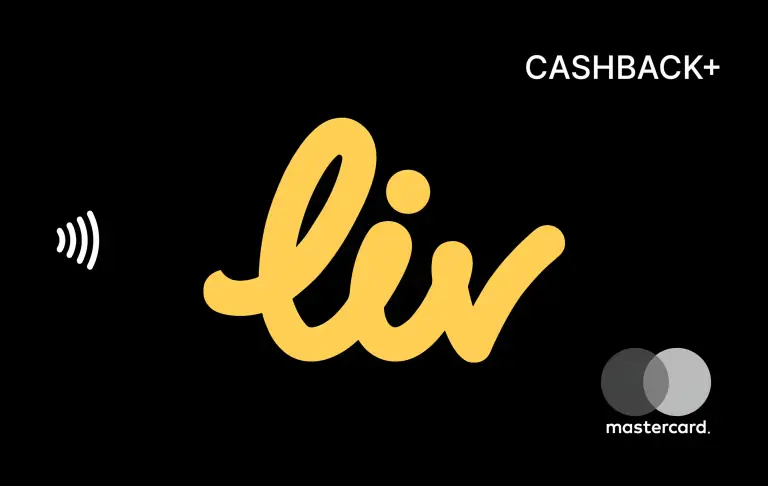
1%, 2% or 4% by monthly spend on eligible categories; reduced rates apply to some MCCs | AED 1,500 per month | AED 735 annual fee | AED 15,000 | |
0.75%, 1.5% or 2% by monthly spend on eligible categories; reduced rates apply to some MCCs | AED 750 per month | No annual fee | AED 5,000 | |
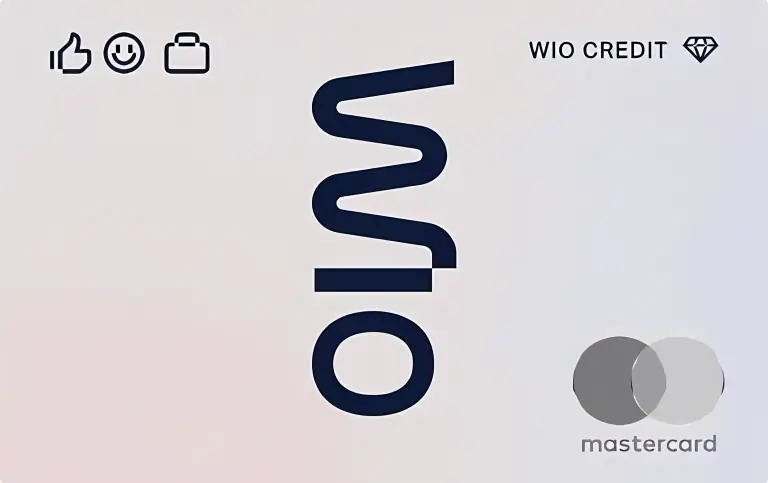
2% on most eligible spend; selected categories earn 0.5% | AED 2,500 per month across Wio Credit and myMoney cashback | No annual card fee; Wio Plus costs AED 49 monthly unless waived; rewards require an eligible plan | AED 7,000 |
The quick read is this: ADIB has the strongest dedicated education rate in this group, but its education cap matters on a large invoice. Wio can suit a large eligible payment when its standard rate applies and the account plan qualifies for rewards. Liv and Liv Cashback+ make more sense when your total monthly spend already puts you in the right tier; check how the school payment is classified before calculating cashback.
Why the highest rate is not always the best result
The headline winner can change as soon as you use the actual invoice. Suppose AED 10,000 of school fees posts as eligible education spend in one month, with no other cashback earned that month:
- ADIB's 4% rate reaches the AED 300 education cap before the full invoice earns rewards.
- Wio's 2% rate calculates to AED 200 if the transaction qualifies for the standard rate and the account plan earns rewards.
ADIB pays AED 300 on this eligible AED 10,000 education bill because its category cap cuts off the uncapped AED 400 calculation. Wio would pay AED 200 at its standard rate if the transaction and account plan qualify. On a smaller payment, the result may be closer; run the actual invoice through each card’s caps and fees.
Liv and Liv Cashback+ add another variable because their rate depends on total monthly card spend. Route the school payment only after checking which tier the transaction will place you in, and whether its posted merchant category earns the standard rate. Then decide whether the annual fee is justified by the rest of your spending.
Calculate the real saving before paying
This is the calculation that decides the winner. Use it in this order:
- Apply any school early-payment or sibling discount.
- Add the school's card or platform fee, if any.
- Calculate card rewards after the relevant category and overall caps.
- Subtract the annual or monthly card cost that you would not otherwise pay.
- Add every instalment processing, cancellation or early-settlement fee.
- Confirm that rewards survive instalment conversion.
If a payment route cannot give you one of those inputs, pause before putting the entire invoice through it. Do not open a paid card solely for one school bill without comparing the fee against the first-year reward. And do not give up a guaranteed school discount to chase a higher headline cashback rate unless the net dirham result is better.
Checklist before the transaction
Treat this as the final check before you press pay:
- Confirm that the school accepts the chosen card channel.
- Ask whether school discounts and card payment can be combined.
- Check the merchant coding and reward eligibility with the issuer.
- Read the category cap, overall cap and minimum-spend conditions.
- If using Skiply, separate platform card acceptance from RAKBANK EPP eligibility.
- If using Zenda, confirm whether the option is a payment schedule or bank financing.
- Get the full instalment cost and conversion deadline in writing or in-app.
- Check the first posted transaction and reward entry before repeating the method.
The bottom line
Our default order would be: take the school discount, use direct card payment if the fee does not erase the reward, consider Skiply or Zenda when they improve convenience or financing, and convert through the bank only after seeing the total cost.
For cashback, run the actual invoice through the cards with eligible education rewards. The cap and card cost can change the dirham result. Kredit's education card comparison shows the current caps, fees and eligibility details side by side.
Kredit provides informational content only and does not offer financial advice. We do not guarantee accuracy and recommend consulting a licensed financial professional before making decisions.