In the dynamic economy of the UAE, effective household financial management is crucial for every family. One financial tool that has significantly impacted spending habits is the cashback credit card. These cards offer a percentage of your spending back as a reward, transforming routine purchases into opportunities for savings. But how exactly do these cards influence the way UAE families spend their hard-earned dirhams?
From daily groceries in Dubai to school fees in Abu Dhabi, cashback cards are subtly reshaping financial decisions, encouraging digital payments, and offering tangible benefits. With the UAE retail sector booming and digital payment adoption on the rise, understanding the power of cashback can help your family optimize its budget and make smarter financial choices. Let's explore how these rewards programs are making a real difference.
💰 The Allure of Cashback in the UAE
Cashback credit cards offer a compelling incentive: get a portion of your money back on purchases. For families, this isn't just about saving a few dirhams; it's about making every essential expense work harder for them. Leading banks in the UAE, including Emirates NBD, Liv Bank, ADCB, FAB, SIB, and Mashreq Bank, are at the forefront, offering tailored programs that resonate with local spending patterns.
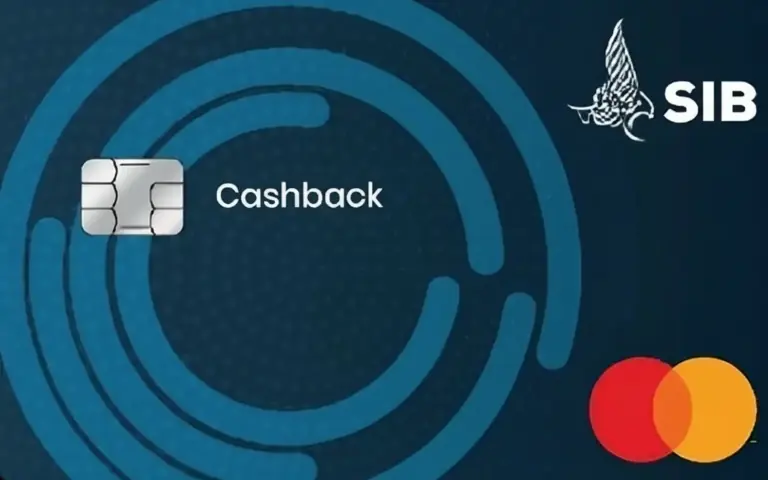
For instance, SIB Cashback Card offers a generous 10% cashback on online purchases and transactions made via digital wallets like Apple Pay and Samsung Wallet, capped at AED 300 per month. Imagine getting AED 300 back just by paying for your online groceries or school supplies with the right card! This kind of reward directly influences where and how families choose to shop, often nudging them towards digital transactions over traditional cash.
💡 Pro Tip: Always check the cashback categories and caps of your card. A card offering 5% on groceries might be more valuable for your family than one offering 10% on travel if groceries are your biggest expense.
💳 Shifting from Cash to Card for Everyday Spending
Despite the UAE's advanced digital infrastructure, a significant portion of transactions are still conducted in cash, particularly for everyday spending. Cashback cards are playing a crucial role in shifting this behavior. When you know you can earn rewards on every swipe or tap, the convenience of digital payments becomes even more appealing.
Consider the ADIB Cashback Visa Covered Card, which offers 4% cashback on essential categories like groceries, fuel, school payments, dining, and utility bills. For a family spending, say, AED 5,000 monthly across these categories, that's AED 200 back in their pocket. This tangible saving encourages consistent card usage, moving away from cash for these regular expenses. This not only makes budgeting easier but also provides a digital record of all transactions, aiding financial management.
🏡 Optimizing Family Budgets with Strategic Cashback
Cashback cards are not just about earning rewards; they're powerful tools for strategic budgeting. UAE banks understand the diverse needs of families and design their programs accordingly. Many cards offer accelerated cashback rates on categories that form a large part of household expenses.
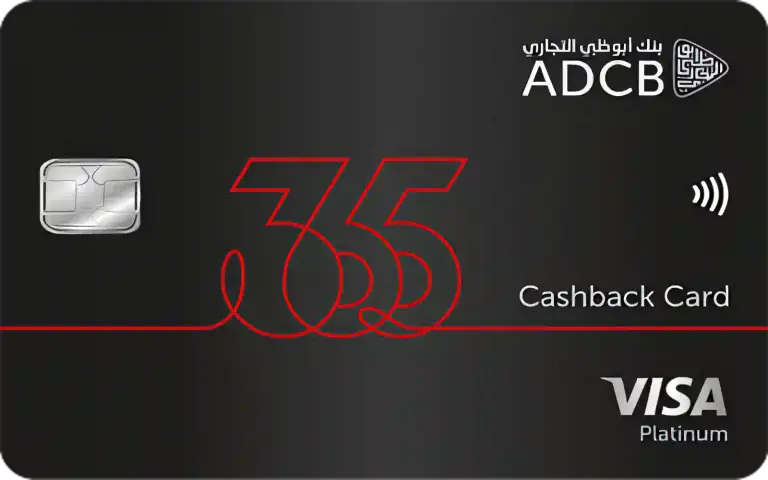
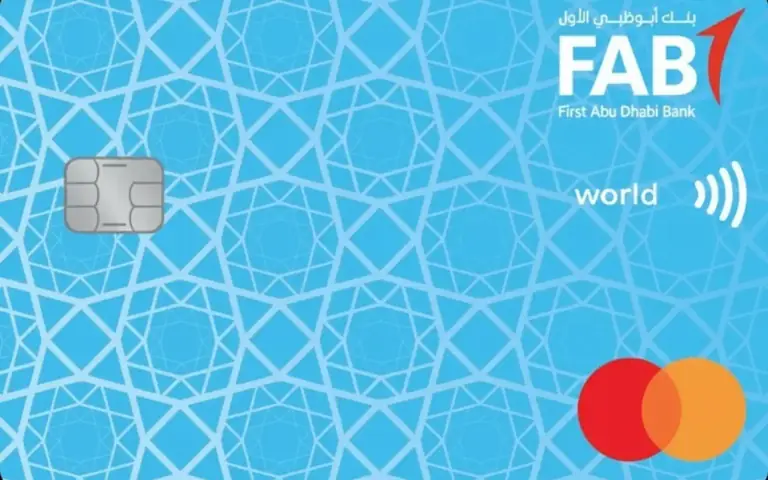
For example, the ADCB 365 Cashback Credit Card offers 6% cashback on dining (including online food orders), 5% on groceries, and 3% on utilities, telecom, fuel, and Salik. Similarly, the FAB Cashback Credit Card provides 5% cashback on fashion, dining, and groceries, along with 3% on international spends. This encourages families to consolidate their spending on these cards to maximize returns. By choosing a card that aligns with their largest spending areas, families can effectively reduce their overall expenditure. This is particularly beneficial for expats who might send remittances or Emiratis looking to optimize local spending.
⚠️ Important: Some cards may have minimum monthly retail purchase requirements to be eligible for cashback or to waive annual fees. For instance, the SIB Cashback Card's annual fee of AED 199 (from the second year) is waived upon spending a minimum of AED 10,000 during the previous year. Make sure your spending habits meet these criteria to avoid missing out on rewards.
✅ Pros and Cons of Cashback Credit Cards for UAE Families
| Feature | Pros | Cons |
|---|---|---|
Savings | ✅ Direct financial returns on everyday spending, reducing overall costs. | ❌ Cashback caps can limit potential earnings (e.g., SIB's 10% cashback capped at AED 300/month). |
Budgeting | ✅ Encourages conscious spending in specific categories to maximize rewards. | ❌ Minimum spend requirements might lead to overspending for some families. |
Digital Payments | ✅ Promotes the use of secure and convenient digital transactions. | ❌ Some essential categories (e.g., government payments) might be excluded or offer lower cashback rates. |
Flexibility | ✅ Earned cashback can often be redeemed as statement credit, cash, or vouchers, offering financial flexibility. | ❌ Redemption thresholds (e.g., minimum AED 100 for SIB) may delay access to funds. |
Transparency | ✅ Clear understanding of rewards earned, helping families track benefits. | ❌ Terms and conditions (T&Cs) can be complex, requiring careful review. |
Accessibility | ✅ Many Sharia-compliant options available from Islamic banks (e.g., ADIB, SIB) (sources: adib.ae, sib.ae). | ❌ Annual fees (though often waivable) can negate some cashback benefits if spending is low. |
| Feature | Pros | Cons |
|---|---|---|
Savings | ✅ Direct financial returns on everyday spending, reducing overall costs. | ❌ Cashback caps can limit potential earnings (e.g., SIB's 10% cashback capped at AED 300/month). |
Budgeting | ✅ Encourages conscious spending in specific categories to maximize rewards. | ❌ Minimum spend requirements might lead to overspending for some families. |
Digital Payments | ✅ Promotes the use of secure and convenient digital transactions. | ❌ Some essential categories (e.g., government payments) might be excluded or offer lower cashback rates. |
Flexibility | ✅ Earned cashback can often be redeemed as statement credit, cash, or vouchers, offering financial flexibility. | ❌ Redemption thresholds (e.g., minimum AED 100 for SIB) may delay access to funds. |
Transparency | ✅ Clear understanding of rewards earned, helping families track benefits. | ❌ Terms and conditions (T&Cs) can be complex, requiring careful review. |
Accessibility | ✅ Many Sharia-compliant options available from Islamic banks (e.g., ADIB, SIB) (sources: adib.ae, sib.ae). | ❌ Annual fees (though often waivable) can negate some cashback benefits if spending is low. |
Conclusion: Making Your Money Work Harder
Cashback credit cards are more than just a payment method for UAE families; they are strategic financial tools that actively shape spending habits. By offering tangible rewards on everything from groceries and fuel to school fees to online shopping, these cards incentivize digital payments and encourage a more mindful approach to budgeting. Whether you're an expat looking for international spending benefits or an Emirati family prioritizing local essential spending, there's a cashback card designed to meet your needs.
Kredit provides informational content only and does not offer financial advice. We do not guarantee accuracy and recommend consulting a licensed financial professional before making decisions.