A credit card is a borrowing tool that lets you spend up to a pre-set limit, then repay later. In the UAE, you receive a monthly statement and an interest-free grace period of around 50-55 days to pay your balance in full; if you don't, interest of up to 3.45% per month accrues. Banks check your Al Etihad Credit Bureau (AECB) score, your salary, and your existing obligations when deciding eligibility and credit limits.
This guide covers how UAE credit cards work, what to compare when choosing one, the UAE-specific basics (AECB, minimum salary tiers, Islamic vs conventional), and how to use a card without falling into debt.
💳 How Do Credit Cards Work in the UAE?
A credit card allows you to make purchases up to a defined credit limit, effectively borrowing money from the bank. You then receive a monthly statement detailing your spending, and you have a grace period to pay back the amount, usually interest-free. Understanding the billing cycle and key dates is crucial to avoid extra charges.
The billing cycle is the period (usually 30 days) during which your transactions are recorded. At the end of this cycle, your bank generates a statement date (or billing date), and you receive your credit card statement. This statement shows your total outstanding balance and the payment due date, which is typically 20-25 days after the statement date. If you pay your total outstanding balance by the due date, you won't incur any interest charges, thanks to the interest-free grace period (which averages 50-55 days in the UAE). If you only pay the minimum payment (a small percentage of your balance, e.g., 5%), the remaining balance will accrue interest from the transaction date, not the statement date. The UAE Central Bank caps credit card interest rates at 3.45% per month.
⚠️ Important: Always aim to pay your full outstanding balance by the due date. Paying only the minimum can lead to significant interest charges and long-term debt.
⭐ What Are Common Credit Card Uses?
Credit cards offer more than just a way to buy things; they provide flexibility and security for various financial activities. The primary use is for purchases – whether online shopping, dining out, or paying for groceries. They're widely accepted across the UAE and globally, making them a convenient payment method.
Beyond everyday spending, credit cards are excellent for online payments, offering an extra layer of security compared to debit cards as you're not directly exposing your bank account. Many cards also offer installment plans, allowing you to convert large purchases into smaller, manageable monthly payments, sometimes interest-free for a limited period. Balance transfers let you move debt from one credit card to another, often at a lower introductory interest rate, which can help consolidate debt and save on interest. You can explore options for this on Kredit.ae's balance transfer credit cards guide. Lastly, cash advances allow you to withdraw cash from an ATM using your credit card. However, these typically come with high fees and immediate interest accrual, so it's generally best to avoid them unless it's an absolute emergency.
📊 How to Choose a Credit Card in the UAE?
Choosing the right credit card in the UAE involves evaluating several factors to ensure it aligns with your financial habits and goals. Don't just pick the first card you see; a little research can save you a lot of money and unlock great benefits.
Here's a checklist of what to compare:
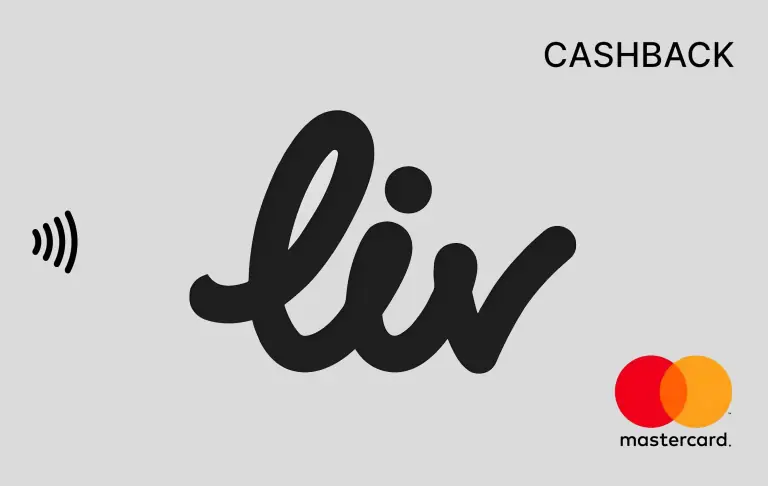
- Annual Fee: This is a yearly charge for using the card. Many cards, like the Liv Cashback Credit Card, offer zero or no annual fees, while premium cards might charge AED 500-3,000+. Some banks waive fees for the first year or if you meet a minimum spending threshold.
- Joining Fee: A one-time fee sometimes charged when you first get the card.
- Minimum Salary Requirement: Banks in the UAE have strict income criteria. Entry-level cards often require a minimum monthly salary of AED 5,000-8,000, while premium cards can demand AED 15,000 or more (e.g., the Liv Cashback Plus Credit Card requires AED 15,000). The Central Bank of the UAE mandates a minimum annual income of AED 60,000 (AED 5,000 monthly) for regular credit cards.
- AECB Requirement: Banks pull your Al Etihad Credit Bureau (AECB) report (score 300-900). A clean record makes approval more likely; missed payments or defaults can disqualify you regardless of salary.
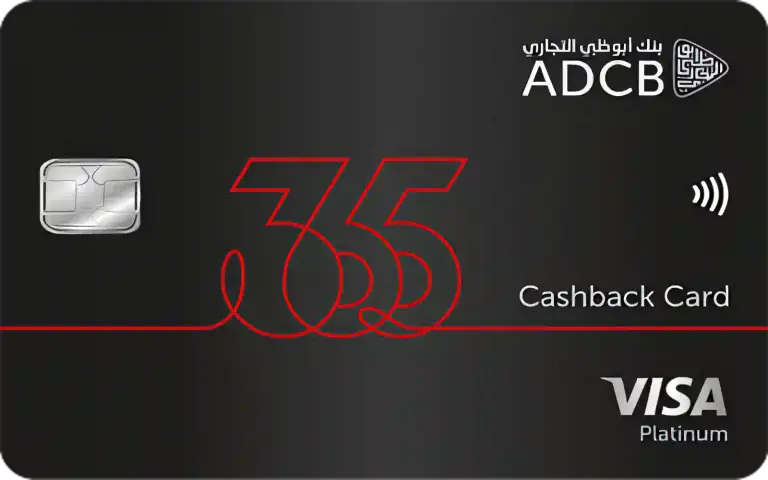
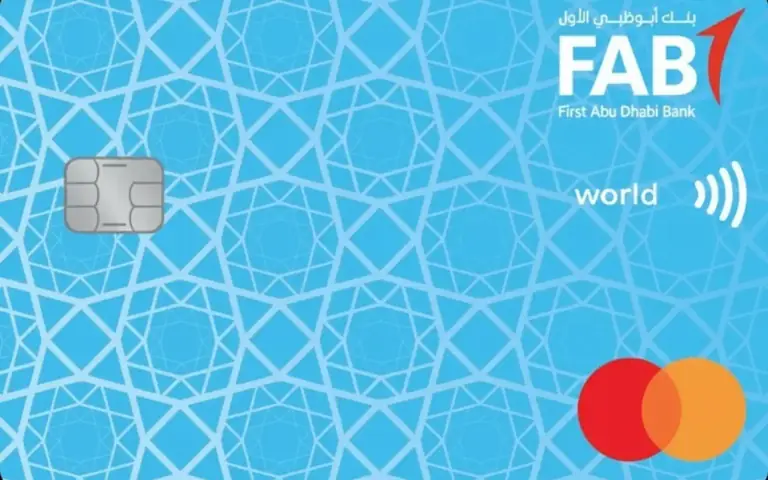
- Rewards Rate & Type: Do you want cashback (like the FAB Cashback Credit Card or ADCB 365 Cashback Credit Card), air miles for travel, or points redeemable for vouchers? Look at the percentage or rate of return and any caps on earnings. For cashback options, check out our guide to the best cashback credit cards in the UAE.
- Eligibility Criteria: Beyond salary, banks look at residency status, age (minimum 21 years), and sometimes require salary transfer to their bank kredit.ae.
💡 Tip: Use the Kredit.ae comparison tool to filter cards by your salary, preferred rewards, and other criteria.
🇦🇪 UAE-Specific Credit Card Basics
The UAE credit card market has unique features tailored to its diverse population and regulatory landscape. Understanding these specifics is crucial for residents.
Al Etihad Credit Bureau (AECB)
The Al Etihad Credit Bureau (AECB) is the national credit bureau that collects credit information from banks and financial institutions across the UAE. They generate credit reports and credit scores for individuals, which range from 300 (very poor) to 900 (excellent). A higher score signals lower risk to lenders. Banks consider your AECB score as one factor when evaluating applications, alongside your salary, employer, and existing obligations. Maintaining a good credit history is essential, and you can learn more about managing your score, especially if you're looking for options with a low credit score.
Minimum Salary Requirements
As mentioned, banks set minimum monthly salary thresholds. For example, the Liv Cashback Credit Card requires a minimum monthly salary of AED 5,000 [liv.me]. The Liv Cashback Plus Credit Card requires a minimum monthly salary of AED 15,000 [liv.me]. The ADCB 365 Cashback Credit Card requires a minimum monthly salary of AED 5,000 [adcb.com]. These requirements ensure applicants have the financial capacity to manage their credit.
Islamic vs. Conventional Cards
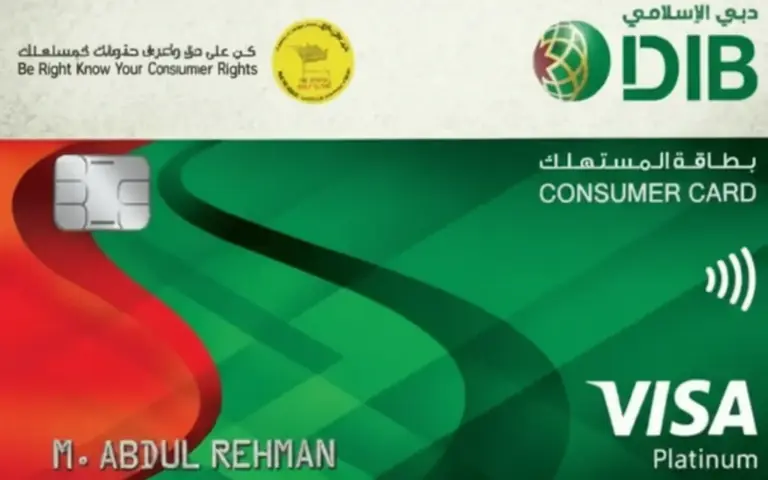
The UAE offers both conventional and Sharia-compliant (Islamic) credit cards. Conventional cards operate with interest (riba), while Islamic cards adhere to Sharia principles, typically using concepts like Tawarruq (commodity murabaha) or Ujrah (fee-based services) instead of interest. The DIB Consumer Cashback Platinum Credit Card is one example of a Sharia-compliant option. Both types offer similar functionalities and benefits, but the underlying financial structure differs. If you prefer Sharia-compliant banking, explore our guide to the best Islamic credit cards in the UAE.
Supplementary Cards
Many banks allow you to apply for supplementary cards for family members (e.g., spouse or children over 18) linked to your primary account. This allows them to spend within your credit limit, and you remain responsible for all charges. It's a convenient way to manage household expenses or provide spending power to dependents while keeping track of their usage.
✅ Best Practices to Avoid Debt
Using a credit card responsibly is your best defense against falling into debt. Credit cards are powerful financial tools, but they require discipline and awareness.
Here are some best practices to keep your finances healthy:
- Pay in Full Each Month: This is the golden rule. By paying your total outstanding balance before the due date, you avoid all interest charges and keep your credit utilization low, which positively impacts your AECB score.
- Keep Utilization Under 30%: Your credit utilization ratio is the amount of credit you're using compared to your total available credit limit. Aim to keep this below 30%. For example, if your limit is AED 10,000, try not to spend more than AED 3,000. High utilization can negatively affect your credit score.
- Set Up Auto-Pay: Most banks allow you to set up automatic payments for your full balance or minimum due. This ensures you never miss a payment, protecting your credit score from late payment remarks.
- Monitor Your AECB Score: Regularly check your credit report and score to ensure accuracy and understand your financial standing. This helps you identify any potential issues early.
- Avoid Cash Advances: As mentioned, cash advances are expensive. They incur high fees and immediate interest, making them a costly way to access funds.
- Create a Budget: Know how much you can realistically afford to spend and stick to it. Your credit card should complement your budget, not replace it. You can use Kredit.ae's credit card calculator to understand potential costs.
Followed consistently, these practices keep balances manageable and protect your AECB record.
Summary
UAE credit cards range from free-for-life entry cards (AED 5,000 salary minimum) to premium metal cards with airport lounge access. The right card depends on your salary, spending pattern, and whether you prefer cashback, miles, or Sharia-compliant rewards. Whichever you choose, pay your balance in full each month, keep utilization under 30%, and monitor your AECB record.
Kredit provides informational content only and does not offer financial advice. We do not guarantee accuracy and recommend consulting a licensed financial professional before making decisions.